Lima is safe enough for most tourists who stay in Miraflores, Barranco and San Isidro and plan their transport, but a state of emergency is in force. Here is what the US, Canadian and UK advisories say right now, and the precautions that actually matter.
What You Should Know
- The US rates Peru Level 2, Exercise Increased Caution, in an advisory reissued on September 4, 2026. That is the second of four levels. Lima is not one of the Do Not Travel areas, which are remote border and valley regions far from the usual tourist route.
- A state of emergency covers Lima and Callao. The current 60-day declaration was published on August 28, 2026, the latest in a series of extensions through the year aimed at extortion and organised crime. For visitors it mainly means more police and military on the streets, not curfews.
- Phone snatching and fake taxis are the risks the advisories focus on for visitors. Motorbike riders grab phones from hands and car windows, and criminals posing as taxi drivers work the airport and bus terminals. Both are avoidable with a few habits covered below.
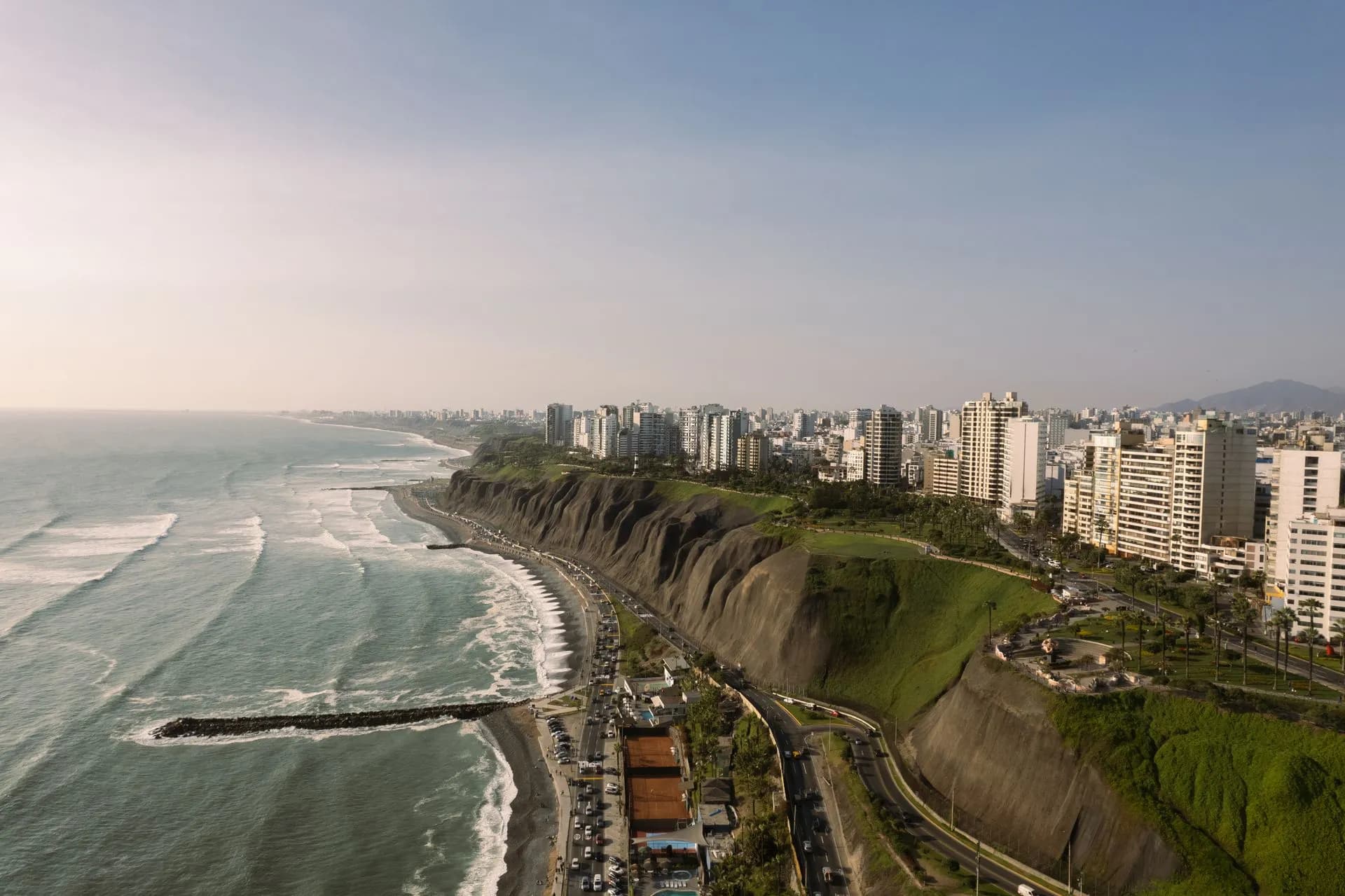
- Lima sits on an active fault zone, so earthquake and tsunami drills are part of life. The beaches below the Miraflores cliffs are signposted with evacuation routes, and the coastal road was closed during a Pacific tsunami alert in July 2025.
Is Lima Safe for Tourists?
Is Lima, Peru safe? For most tourists, yes, with precautions. None of the US, Canadian or UK governments advises against travel to Lima, and the risks they describe for visitors centre on a few predictable situations: taxis, phones and cash machines. Travellers who stay in Miraflores, Barranco or San Isidro (our guide to where to stay in Lima compares them), pre-book their airport transfer and keep their phone out of reach of passing motorbikes avoid most of them. Lima is also a city of more than ten million people under a state of emergency for violent crime, and the official advisories are more cautious than they were a few years ago.
This guide sets out exactly what the US, Canadian and UK governments say as of October 2026, what the state of emergency means for a visitor, which districts suit tourists, and the handful of precautions that address the risks visitors actually face. If you are asking whether it is safe to travel to Lima right now, the short answer is that the advisories have not told tourists to stay away from the city, but they do ask for more care than in most capitals.
According to the US State Department's advisory reissued on September 4, 2026, Peru is rated Level 2, Exercise Increased Caution, because of crime, unrest, kidnapping and terrorism, and Lima is not among the Do Not Travel areas. The Government of Canada's advice, updated September 11, 2026, asks travellers to exercise a high degree of caution and confirms that a state of emergency is in effect in Lima and Callao. The UK Foreign Office describes street crime as a significant problem in Lima and names Miraflores and Barranco among the places where robberies have occurred.
Official Advisories at a Glance
| Source | Current rating | Updated | What it says about Lima |
|---|---|---|---|
| US State Department | Level 2: Exercise Increased Caution | September 4, 2026 | Lima is outside the Do Not Travel areas; crime, unrest and kidnapping are the stated reasons for the Level 2 rating |
| Government of Canada | Exercise a high degree of caution | September 11, 2026 | State of emergency in Lima and Callao; express kidnappings; fake taxis at the airport and bus terminals |
| UK Foreign Office | Country guidance (no numeric level) | Current guidance | Street crime is a significant problem; robberies have occurred in Miraflores and Barranco; phone snatching by motorbike riders |
ℹ️ Checked against the published advisories on October 5, 2026. Advisories change, so read the latest version from the US State Department, the Government of Canada or the UK Foreign Office before you fly.
Is It Safe to Travel to Lima Right Now? The State of Emergency Explained
Peru's government has kept Lima and Callao under a rolling state of emergency through 2026. The current declaration, Decreto Supremo 123-2026-PCM, was published on August 28, 2026 and runs for 60 days. Earlier declarations were extended in January, March and April, so expect further extensions rather than a clean end date.
The decree targets extortion networks and violent crime that have hit local businesses and public transport. It allows the authorities to restrict four constitutional rights: the inviolability of the home, freedom of movement, freedom of assembly and personal security. The National Police remain in charge, with the Armed Forces in support.
What It Means for Visitors
- More patrols, not curfews. You are likely to see police and soldiers at junctions and transport hubs. Restaurants, museums, tours and flights run as normal.
- Identity checks are more likely. Carry a photocopy or phone photo of your passport and the entry stamp, and keep the original locked away.
- The crime it targets is mostly not aimed at tourists. Extortion of bus companies and small businesses is the core problem. The police reported that extortion cases in Lima and Callao fell by 43 percent in the first four months of 2026, though the government judged the situation serious enough to renew the emergency in August.
- Protests can disrupt plans. Canada's advisory flags social conflicts and strikes across Peru. Demonstrations in central Lima have often gathered around the Plaza San Martin and the Congress area; avoid them and allow extra time for airport runs on strike days.
How Safe Is Lima by District?
Lima is a patchwork of more than 40 districts, and safety varies a lot between them. Almost every visitor spends their time in the same four, shown on the map further down with the airport for reference.
| District | Suits tourists | By day | After dark | Main concern |
|---|---|---|---|---|
| Miraflores | Yes, the usual base | Comfortable | Busy areas fine; take care on quiet streets | Phone snatching and robbery, both reported here |
| Barranco | Yes, for nightlife and art | Comfortable | Fine in the busy centre; taxi home late | Walking dark stretches after the bars close |
| San Isidro | Yes, quieter | Comfortable | Calm, but little going on | Petty theft |
| Centro Historico | Yes, for a daytime visit | Comfortable on the main squares | Avoid wandering; streets empty out | Pickpocketing in crowds; protests near Plaza San Martin |
| Callao (outside La Punta) | Only for the airport and port | Pass through by car | Avoid on foot | Street crime; fake taxis on the airport route |
ℹ️ This is our practical assessment drawn from the US, Canadian and UK advisories and local guidance, not an official safety rating. Conditions vary street by street.
Miraflores
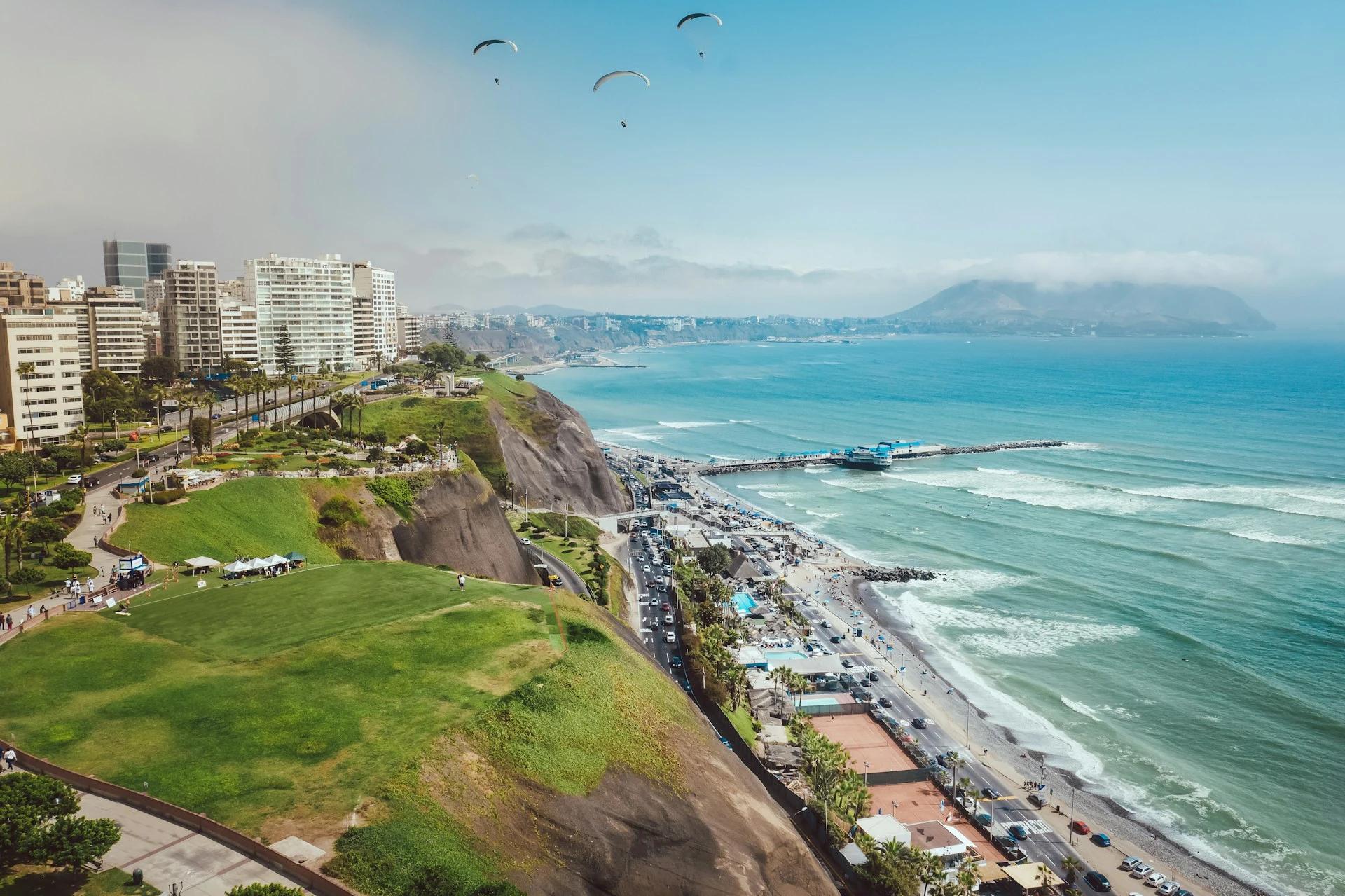
The default base for first-time visitors, with the clifftop Malecon, Parque Kennedy and most mid-range hotels (see our best hotels in Miraflores). Streets are busy until late and patrolled by municipal security officers (serenazgo). It is also where tourists are concentrated, which is why both the UK Foreign Office and a US Embassy alert name it among the places where armed robberies and phone thefts have been reported. Treat it as safe but not risk-free.
Barranco
The bohemian district south of Miraflores, with the Bridge of Sighs, street art and the best nightlife. Lively and pleasant by day and early evening. Late at night, once the bars empty, the quieter side streets feel less comfortable; take an app taxi back rather than walking along dark stretches between districts. Our best hotels in Barranco notes which hotels sit on the quieter streets.
San Isidro
Lima's business and embassy district, with the El Olivar olive grove at its centre. Quieter than Miraflores in the evening and, in our assessment, one of the calmest places to stay, though with less going on after dark.
Centro Historico
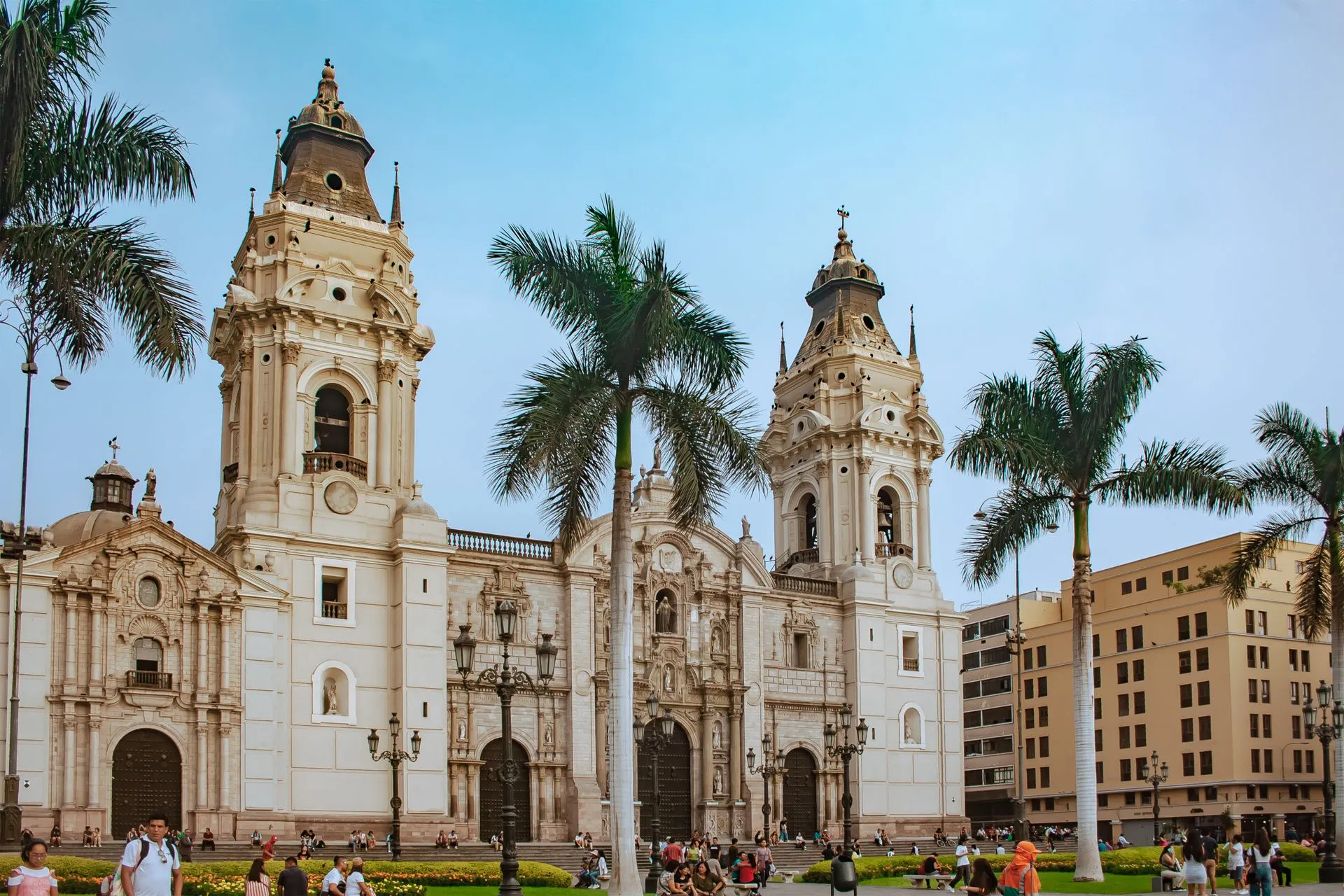
The colonial centre around the Plaza Mayor is a UNESCO World Heritage Site and well worth a day. The main squares and the pedestrian Jiron de la Union have a visible police presence by day. Pickpocketing is a common risk in the crowds, and the streets empty out after dark. Most visitors see it on a guided walking tour by day and head back to Miraflores for the evening; the San Francisco monastery and catacombs are within the same core.
Areas Visitors Usually Skip
Local advice and most travel guides steer visitors away from parts of Callao outside the La Punta peninsula, La Victoria (including around the Gamarra market), Rimac and Barrios Altos, especially after dark. None of these is on a standard tourist itinerary. If you do need to cross them, go by app taxi rather than on foot.
The Risks Tourists Actually Face
The headlines about Lima's crime wave are mostly about extortion of local businesses. The risks the advisories describe for visitors are narrower, and most involve phones, taxis or cash machines.
Phone Snatching
One of the most common problems visitors report. Thieves on motorbikes grab phones from people walking near the kerb, and from passengers using their phone by an open car window. The UK Foreign Office singles this out. Use your phone with your back to a wall or inside a shop, keep car windows up in traffic, and do not walk along the Malecon with your phone held out for directions.
Fake Taxis and Express Kidnapping
The most serious risk, and the most avoidable. Canada's advisory describes express kidnappings in which victims are held for a few hours and forced to withdraw money from ATMs, and says criminals pose as taxi drivers at Jorge Chavez airport and bus terminals. Never take a taxi hailed on the street or offered by someone approaching you in arrivals. Use an app or an authorised airport service instead.
Armed Robbery
Less common, but it does happen in tourist districts: a US Embassy security alert in late 2024 reported armed robberies and phone thefts in Barranco, Miraflores, La Molina and Surco. If it happens, hand over what is demanded: resisting is what turns a robbery into an injury. Carry one card and a modest amount of cash, leave the rest in your hotel safe, and never resist.
Pickpocketing
Crowded buses, the Metropolitano rapid bus line, markets and the Centro Historico squares. Wear your bag in front in crowds and keep nothing in back pockets.
Getting Around Lima Safely
In our assessment, how you move around Lima matters more to your safety than which district you sleep in, because the taxi and airport risks in the advisories apply wherever you stay.
- From the airport, pre-book or use the official options. Jorge Chavez moved to a new terminal in June 2025, reached by road via Avenida Morales Duarez, and the old terminal is closed to passengers. Use the authorised taxi counters inside the terminal, the Airport Express Lima shuttle, a pre-booked driver who meets you by name, or a ride-hailing app at the pickup zone the app shows. Our Lima airport transfer guide compares the options from $6.50, including what each one does when your flight is late.
- In the city, use apps rather than street taxis. Ride-hailing apps such as Uber, Cabify and InDrive are widely used in Lima and record the driver, the car and the route. The Canadian and UK advisories both recommend apps or reputable taxi companies over hailing a cab.
- Check the plate before you get in. Match the car and number plate to the app before opening the door, and sit in the back.
- Be careful on public buses. The Metropolitano and the combis are cheap and fine by day for confident travellers, but they are crowded and the main pickpocketing hotspots. Avoid them with luggage.
- Walking is fine in the core districts by day. Miraflores, Barranco and San Isidro are pleasant to walk between along the Malecon in daylight. After dark, take an app taxi for anything more than a few blocks.
Earthquakes, Tsunamis and Health
Crime gets the attention, but two other safety questions come up often.
Earthquakes and Tsunamis
Peru sits in an active seismic zone and Lima feels tremors regularly. Large earthquakes are rare but possible, and the coast is at risk of tsunamis. In practice: note your hotel's evacuation route, and if you feel a strong quake while on the beach below the cliffs, head uphill immediately. The Miraflores beaches have signposted evacuation routes, and during the Pacific-wide tsunami alert in July 2025 the municipalities closed access to the Costa Verde road and beaches. Canada's advisory also warns that an El Niño event in 2026 to 2027 is expected to bring heavy rain, flooding and landslides to parts of Peru, which matters most for onward overland travel.
Water and Food
Do not drink the tap water in Lima. Use bottled or filtered water, which hotels and restaurants in the tourist districts provide as standard. Lima's food scene is a main reason to visit, and established restaurants serve ceviche and street snacks safely; a guided food tour is an easy way to try the street food with someone who knows which stalls to trust.
Altitude
Lima is at sea level, so altitude sickness is not a concern here. It becomes one when you fly on to Cusco, which is why many travellers spend their first nights in Lima.
Is Lima Safe for Americans?
Yes, on the same terms as for other foreign visitors. There is no indication in the US, Canadian or UK advisories that Americans are targeted for their nationality; thieves target anyone who looks like a tourist with a phone, a camera or a wallet. The US Level 2 rating, Exercise Increased Caution, applies to Peru as a whole, and the US Embassy's late-2024 alert about robberies in Barranco, Miraflores, La Molina and Surco named those districts because that is where US citizens tend to live and visit.
Two practical steps for US citizens: enrol in the State Department's Smart Traveler Enrollment Program so the embassy can reach you with alerts during your trip, and save the US Embassy in Lima's contact details. The embassy is in the Santiago de Surco district.
Our Take
Reading the advisories side by side, the pattern is clear: the crime that dominates Lima's news is extortion of local businesses, while the risks the US, Canadian and UK advisories describe for tourists centre on phones, taxis and ATMs. Get those three right and you have dealt with most of what the advisories warn visitors about.
Safety Tips for Lima
- Pre-book your airport transfer for a late arrival. Canada's advisory warns that criminals posing as taxi drivers rob tourists on the route to and from Jorge Chavez, so choosing a ride while tired in arrivals is the moment to have already sorted.
- Keep your phone away from the kerb. Step into a doorway or shop to check maps, and keep it off the table at outdoor cafes.
- Use ATMs inside banks or shopping centres, in daytime. Larcomar and the banks around Parque Kennedy are better than a street-side machine at night.
- Carry a decoy amount. One card and enough cash for the day, with the rest in the hotel safe. If someone demands it, hand it over.
- Leave flashy jewellery and watches at home. They mark you out more than your accent does.
- See the centre by day, with a guide if you are unsure. A walking tour covers the colonial core in daylight, and a bike tour along the Miraflores clifftops keeps you on dedicated paths with a guide who handles the traffic. For nights out specifically, our Lima bar crawl guide covers going out in Miraflores and Barranco and getting home afterwards.
- Save the emergency numbers. Police 105, fire 116, and iPeru's 24-hour tourist assistance line on +51 1 574 8000.
- Check the advisories again the week you travel. The state of emergency is renewed every one to two months, and conditions around protests can change quickly.
How We Researched This Guide
This guide is based on the travel advisories published by the US State Department (reissued September 4, 2026), the Government of Canada (updated September 11, 2026) and the UK Foreign Office, together with the Peruvian government's state of emergency decree for Lima and Callao and reporting on its extensions through 2026. Practical advice on transport, districts and the airport draws on these sources and on our own Lima guides, including the airport transfer comparison. We have not added crime statistics we could not trace to an official source. We check this page against the latest advisories each month, because the state of emergency in Lima is renewed every one to two months and advisory levels can change without much notice.
Frequently Asked Questions
Is Lima, Peru safe for tourists?+
Yes, for most tourists who take sensible precautions, especially in Miraflores, Barranco and San Isidro. None of the US, Canadian or UK governments advises against travel to Lima. The main risks are phone snatching, fake taxis and petty theft, and the US currently rates Peru Level 2, Exercise Increased Caution.
Is it safe to travel to Lima, Peru right now?+
Travel to Lima is not advised against by the US, Canadian or UK governments, but a state of emergency covers Lima and Callao. The current 60-day declaration was published on August 28, 2026. It means more police and military patrols rather than curfews, and tourist services run normally.
Is Lima safe for Americans?+
Yes, on the same terms as for other visitors. The advisories give no indication that Americans are targeted for their nationality. US citizens should enrol in the Smart Traveler Enrollment Program and note that the US Embassy is in the Santiago de Surco district.
What is the US travel advisory level for Peru?+
Level 2, Exercise Increased Caution, reissued on September 4, 2026, citing crime, unrest, kidnapping and terrorism. Some remote areas, including the VRAEM valleys and the Colombia border area of Loreto, are Level 4, Do Not Travel. Lima, Cusco and Machu Picchu are not in those areas.
Is Miraflores safe at night?+
In our assessment it is one of the safer parts of Lima at night, and it stays busy around Parque Kennedy and the Malecon. Robberies and phone thefts have still been reported there, so keep your phone out of sight near the road and take an app taxi rather than walking long distances late.
Is Uber safe in Lima?+
Ride-hailing apps such as Uber, Cabify and InDrive are widely used and are safer than hailing a taxi on the street, which the Canadian and UK advisories warn against. Check the plate and driver match the app before getting in, and keep your phone away from the window.
Can you drink the tap water in Lima?+
No. Drink bottled or filtered water, which hotels and restaurants in the tourist districts provide. Food at established restaurants, including ceviche, is generally safe.
What number do I call in an emergency in Lima?+
Call 105 for the police and 116 for the fire service. iPeru, the official tourist assistance service, runs a 24-hour line on +51 1 574 8000 and can help with complaints, lost documents and contacting the tourist police.
Is Lima safe at night?+
The busy parts of Miraflores, Barranco and San Isidro are fine in the evening, but take more care after dark. Canada's advisory notes that most express kidnappings happen at night and advises against walking alone in deserted areas, and the UK says not to walk on your own in quiet areas at night. Use an app taxi for anything more than a few blocks.
What are the safest areas to stay in Lima?+
Miraflores, San Isidro and Barranco. Miraflores has the most hotels and stays busy until late, San Isidro is the quietest, and Barranco suits travellers who want nightlife. All three have reported phone thefts and robberies, so the usual precautions still apply.
Is Lima safe for solo travellers?+
Yes, with extra care after dark. Canada's advisory advises against walking alone, especially at night, and against accepting rides from strangers or recent acquaintances. Base yourself in Miraflores or Barranco, use app taxis at night, and join a guided tour for the historic centre if you would rather not explore it alone.
Is Lima safe for solo female travellers?+
Many women travel to Lima alone without problems, and the general precautions apply. Canada warns that drinks, snacks and cigarettes may be laced with drugs used in robbery and sexual assault, and the UK reports deaths from methanol in alcoholic drinks in Peru. Buy your own drinks, keep them in sight, and avoid walking alone after dark.
Is Lima airport safe?+
The terminal itself is safe, but the ride out of it is where the advisories focus. Canada warns that criminals posing as taxi drivers rob tourists on the route to and from Jorge Chavez. Use the official taxi desks inside the terminal, the Airport Express Lima shuttle, a pre-booked driver or a ride-hailing app at its designated pickup zone.
Affiliate note: Some links on this page are affiliate links. If you book through them, we may earn a small commission at no additional cost to you.